FLAMENCO FESTIVAL NEW YORK EXPANDS
ITS PROGRAMMING BEYOND THE STAGE
.
Talks, performances, and gatherings in iconic venues trace a journey through the history, memory, and international projection of flamenco in the city.
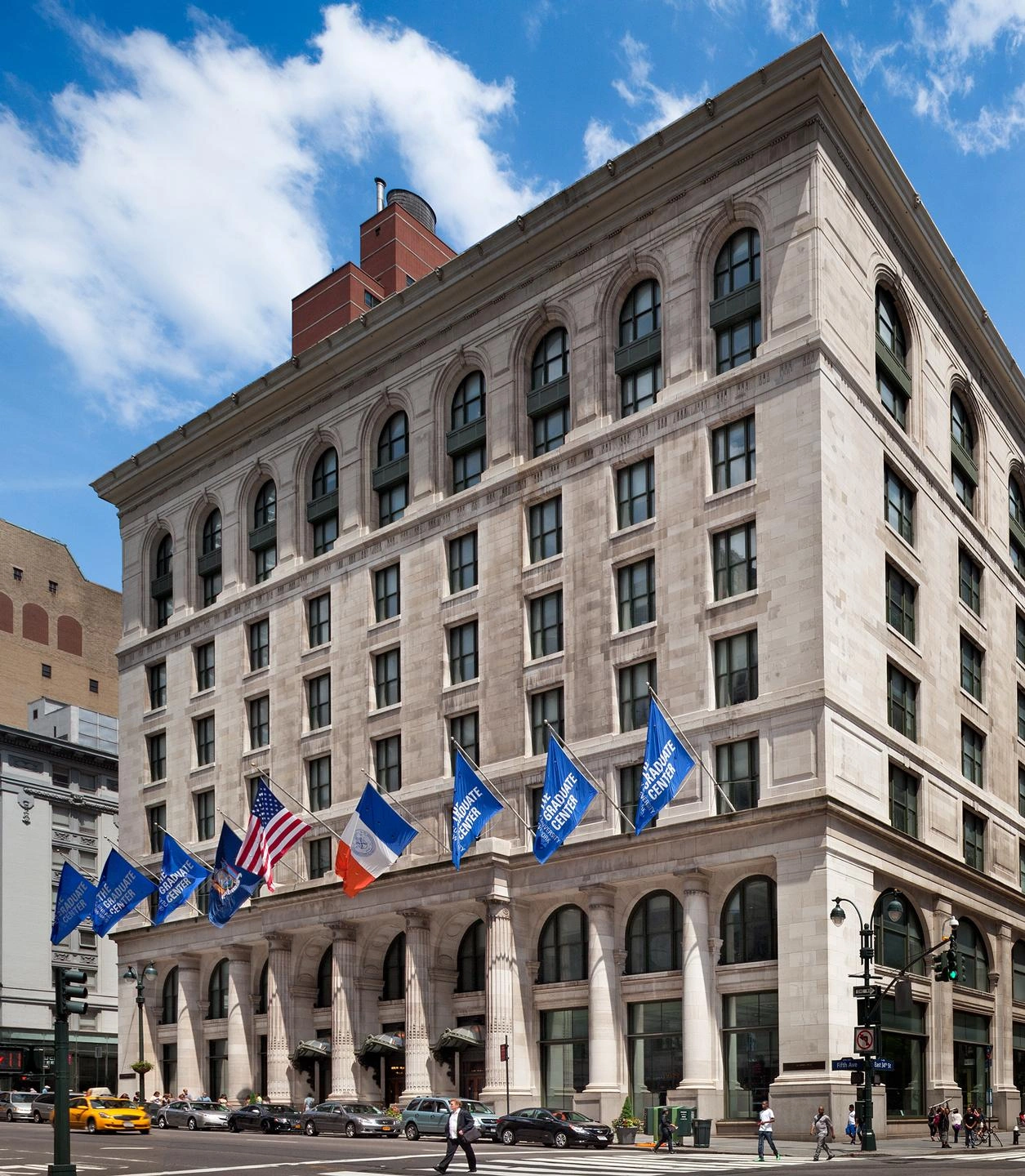
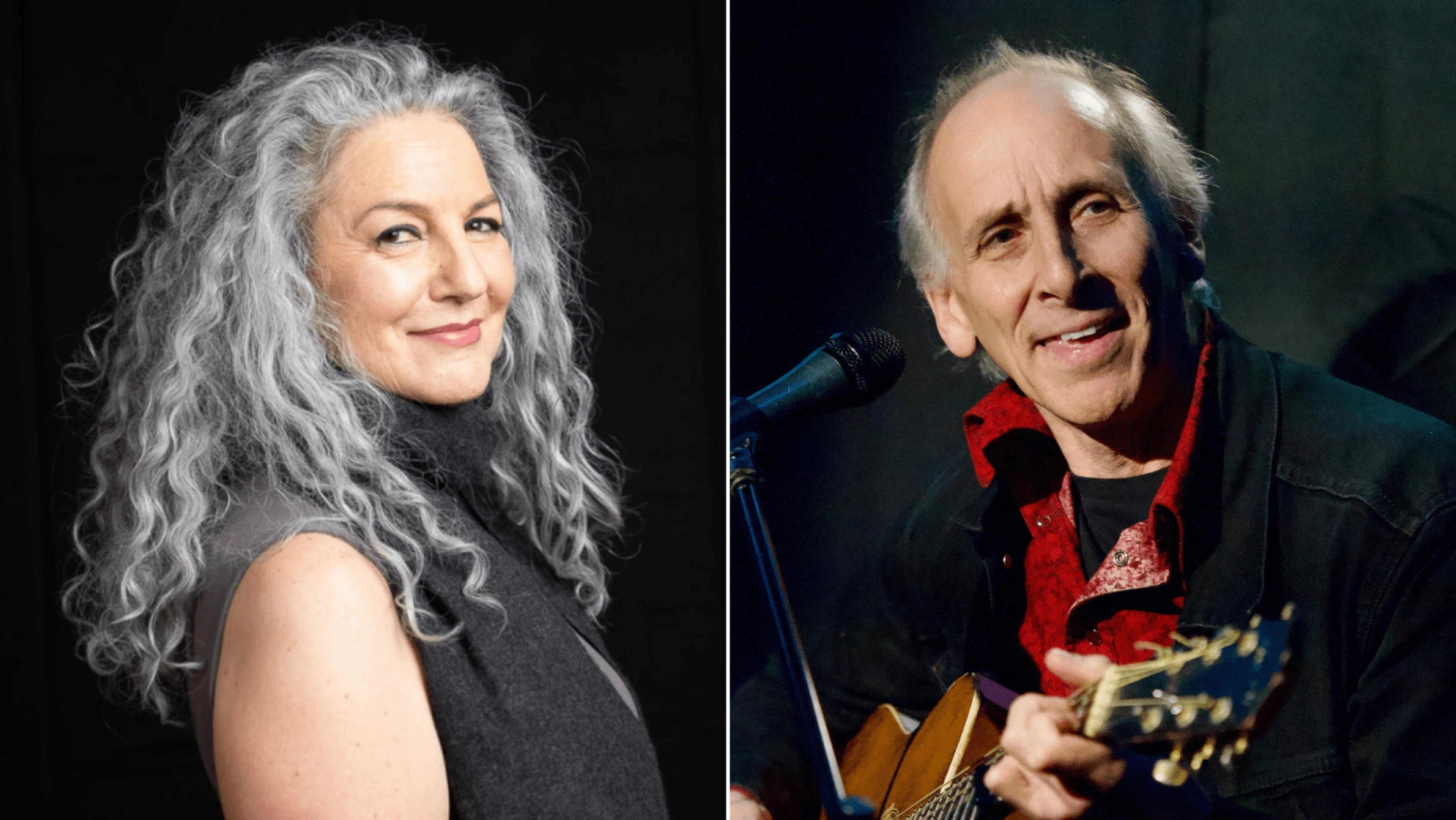
As usual, Flamenco Festival New York takes flamenco beyond the stage, developing other significant events that will enrich the experience of the event in the city. In this sense, the program includes an academic component through a talk that explores the historical and artistic links of flamenco in intercultural contexts. It will take place on February 25 at the CUNY Graduate Center. ‘Electric Bohemian: Flamenco and the Arts in Greenwich Village (1950s–1970s)’ is the title of this meeting in which flamenco specialist K. Meira Goldberg and cultural historian Elijah Wald, author of Dylan Goes Electric!, will analyze how Greenwich Village became a center of artistic experimentation, the birthplace of the Beat Generation, the counterculture of the 1960s, and various avant-garde movements. The event will explore the vibrant bohemian world of the area (small publishing houses, galleries, theaters, and music venues) where alternative and queer cultures coexisted with a flourishing flamenco scene, which grew alongside the city’s famous folk scene.
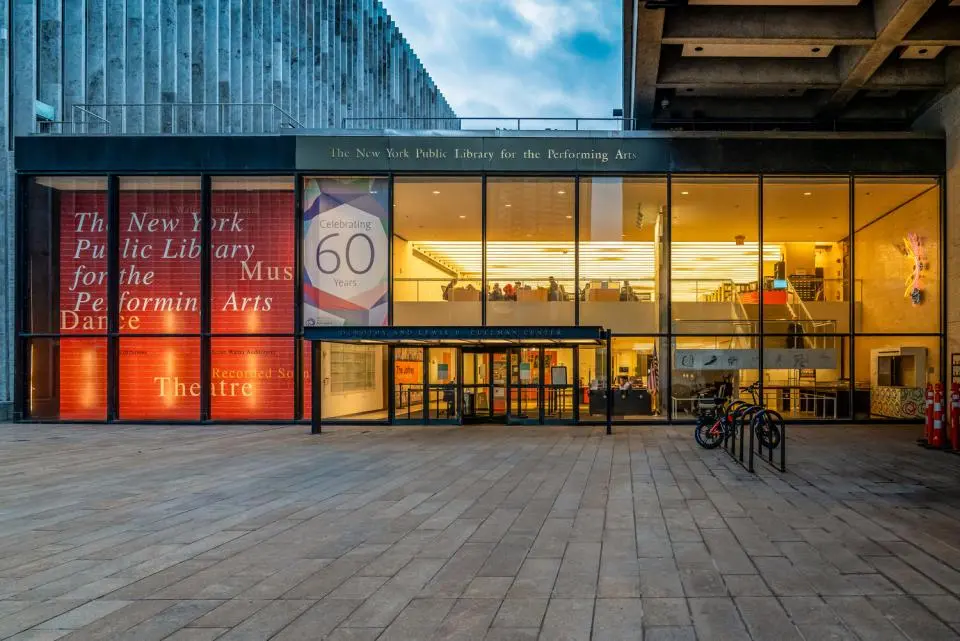
In this section, the Festival incorporates another of New York’s most emblematic cultural spaces. Co-organized with the Spanish Consulate in New York, the Public Library will host an event that combines reflection, history, and performance. On February 28, writer, professor, and doctor of Spanish Literature José Javier León will lead ‘La Argentinita in New York, New York in La Argentinita,’ a lecture-concert celebrating the legacy of the iconic singer and dancer Encarnación López Júlvez, known as La Argentinita, which will be illustrated with performances by some of the artists participating in this edition, such as Rocío Márquez, Rafael Estévez, and Irene Morales, among others.
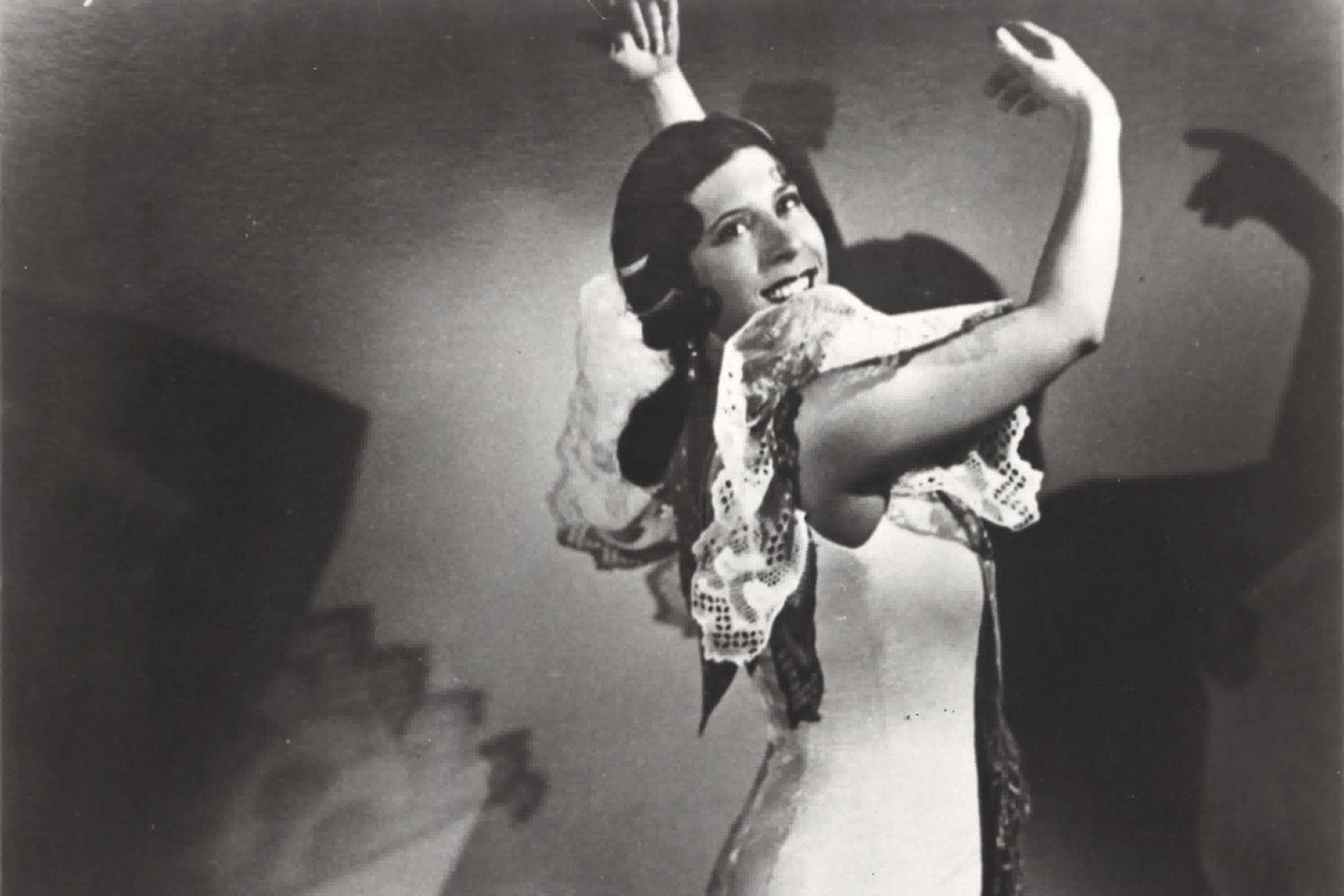
The talk will delve into her artistry, her collaborations with Federico García Lorca, and how she expanded the boundaries of flamenco by connecting it with ballet, Spanish song, and modern experimentation. After the conference, some of the artists participating in the Festival will bring La Argentinita’s vision to life in a live performance that will highlight her transformative impact on flamenco, showing the audience how tradition and innovation can intertwine in the same space and offering a window into the creative spirit that marked her passage through 1930s New York and the international projection of the genre.
The traditional cajoneada will also take place, this time at the Bronx Music Hall on March 8. Participants will have the opportunity to take part in a flamenco percussion workshop and learn more about this instrument, which originated in Peru and was adopted in the 1970s by Paco de Lucía.
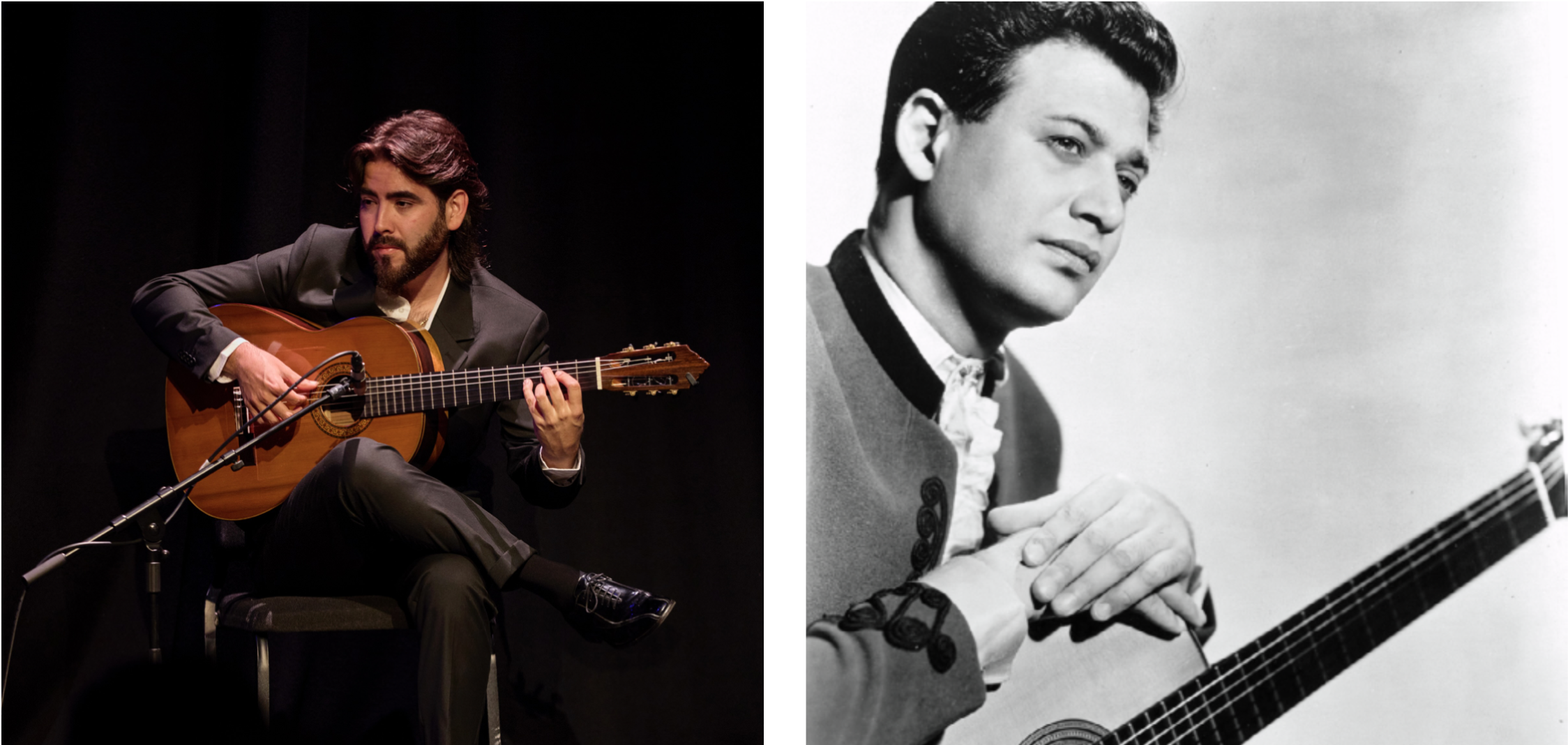
On March 11, the Cervantes Institute in New York will host ‘Mario Escudero and New York,’ an event in which Álvaro Martinete, making his debut at the Flamenco Festival New York, will perform some of guitarist Mario Escudero’s most representative works, accompanied by a brief talk about his life and his years in the city. Mario Escudero, the artist’s son, will join the conversation, sharing personal memories to offer an intimate perspective on his father’s legacy and his deep relationship with New York, allowing the audience to get closer to both his music and his story.
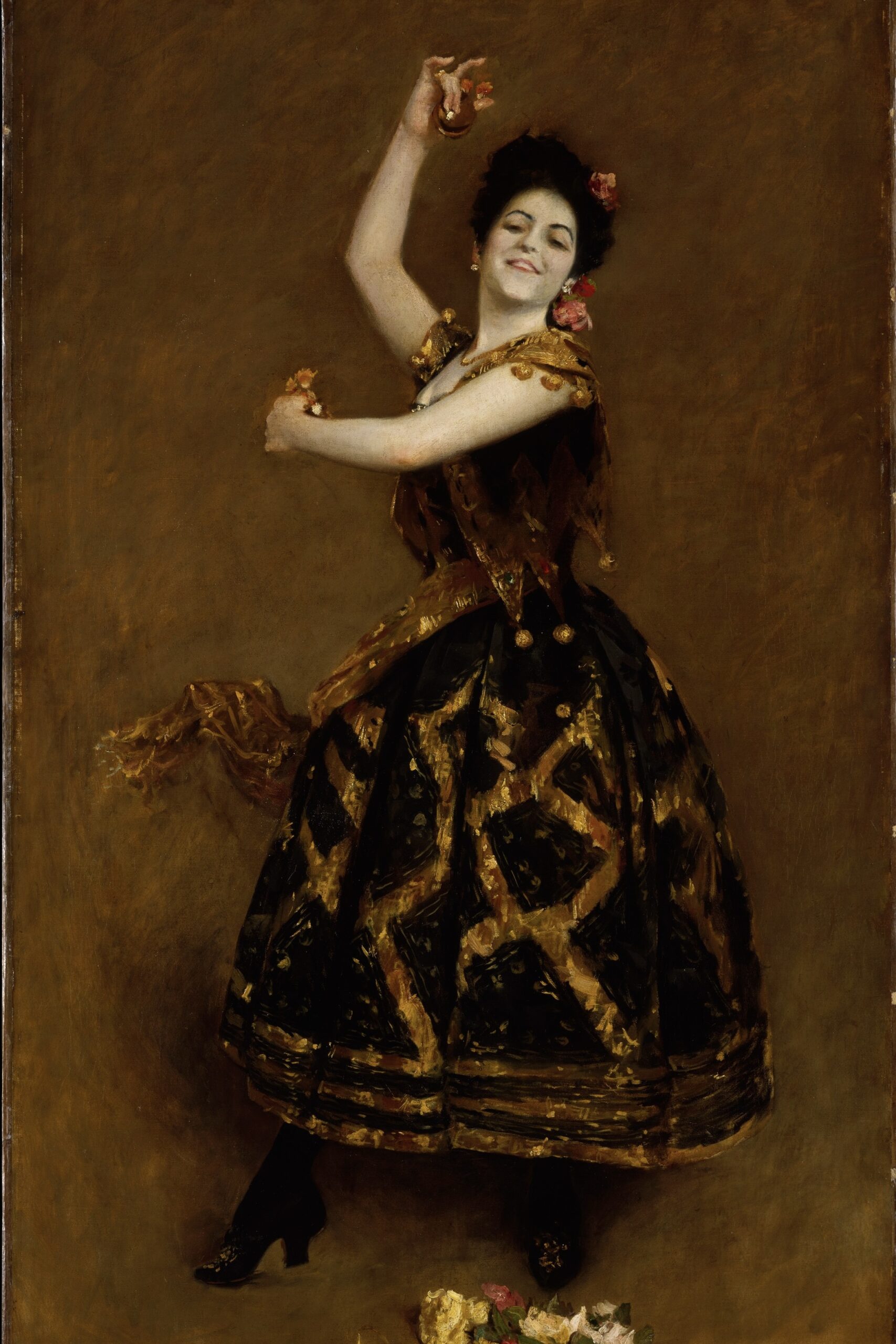
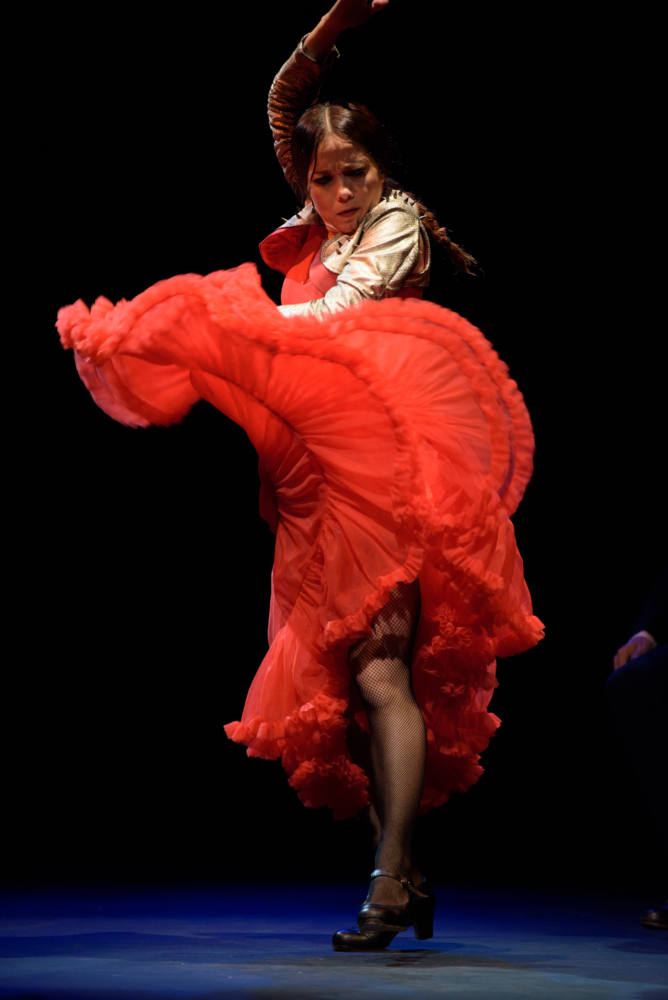
For the first time, the Metropolitan Museum of Art joins the list of Festival venues with an unprecedented proposal: ‘From Carmencita to Pericet’, an encounter between the dancer Olga Pericet and the iconic portrait of the dancer Carmencita by John Singer Sargent, co-organized with the Cervantes Institute, which since the first edition of the Flamenco Festival in 2001 has maintained a close and continuous relationship with this event, playing a key role in its consolidation and promotion. in 2001, has maintained a close and ongoing relationship with this event, playing a key role in its consolidation and promotion. Over more than two decades, this collaboration has made it possible to stage numerous shows and activities, reaffirming the Instituto Cervantes’ commitment to promoting flamenco and Spanish culture.
The performance, which will take place on the last day of the event, will highlight the artistic and historical importance of Carmen Dauset Moreno, a native of Almería who arrived in New York in 1889 and quickly became a leading figure in American vaudeville. The performance will connect the audience with the memory of a pioneer who brought flamenco and Spanish dance to international stages.