
Flamenco Festival New York celebrates its
25th anniversary by remembering historical
figures of this art from who forced a
love affair with the city
Between February 25 and March 15, more than 180 artists will participate in this edition of the festival, offering a total of 40 performances in New York, Miami, Tampa, Chicago, and Boston for an estimated audience of 29,000 people.
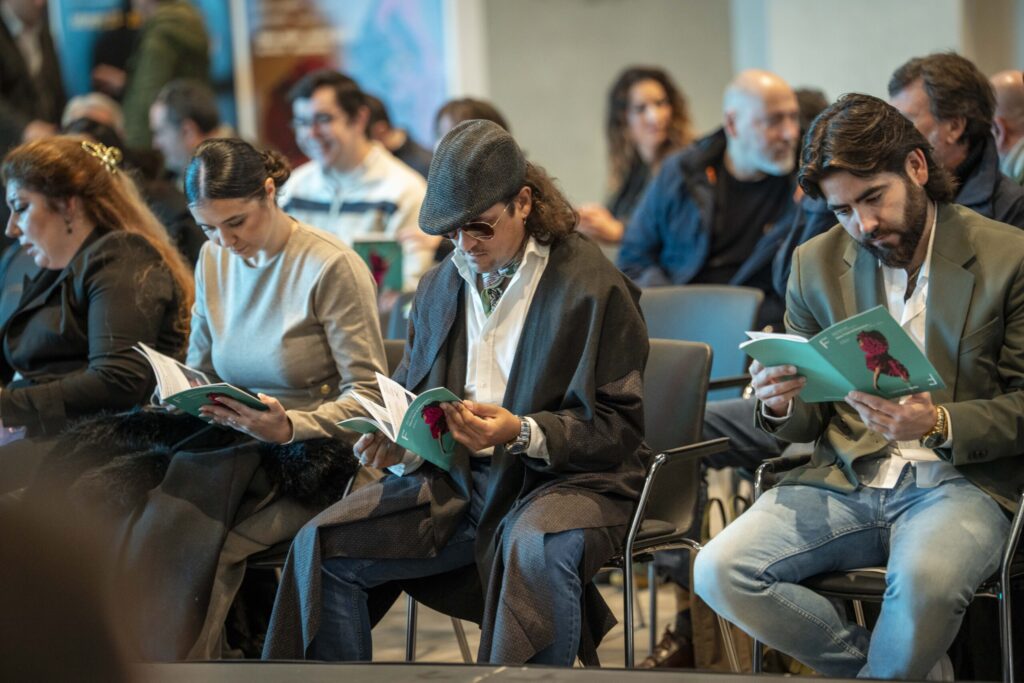
In New York, a city where the streets pulsate with a thousand accents, figures such as Carmencita, La Argentinita, Carmen Amaya, Sabicas, Vicente Escudero, Mario Escudero, and Paco de Lucía, among other flamenco icons, found fertile ground that transformed their artistic expression. The Big Apple permeated their music and their bodies, revealing new ways of feeling flamenco and fueling a creative current that continues to inspire generations of artists and audiences today, forging ‘A true love story’. This is the premise for the upcoming 25th anniversary celebration of the Flamenco Festival New York, which will feature a program that evokes this never-ending love story between the city of skyscrapers and flamenco. From February 25 to March 15, a delegation of more than 180 participants from 16 companies, including singers, guitarists, and dancers, will present their latest creations on the other side of the Atlantic in this edition, which will have Seville as its guest city.
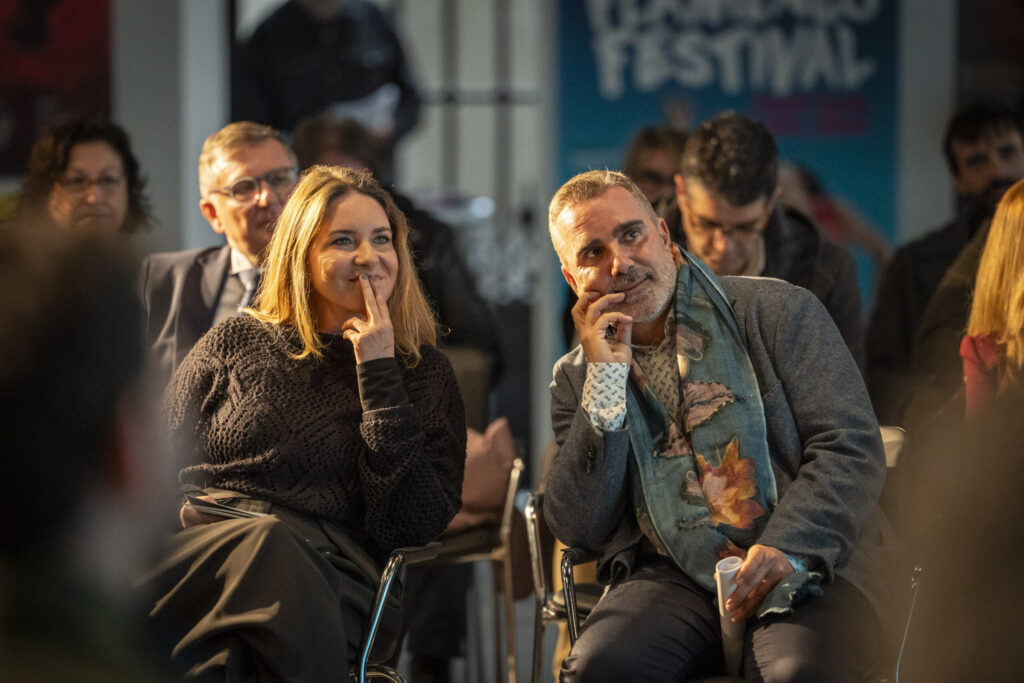
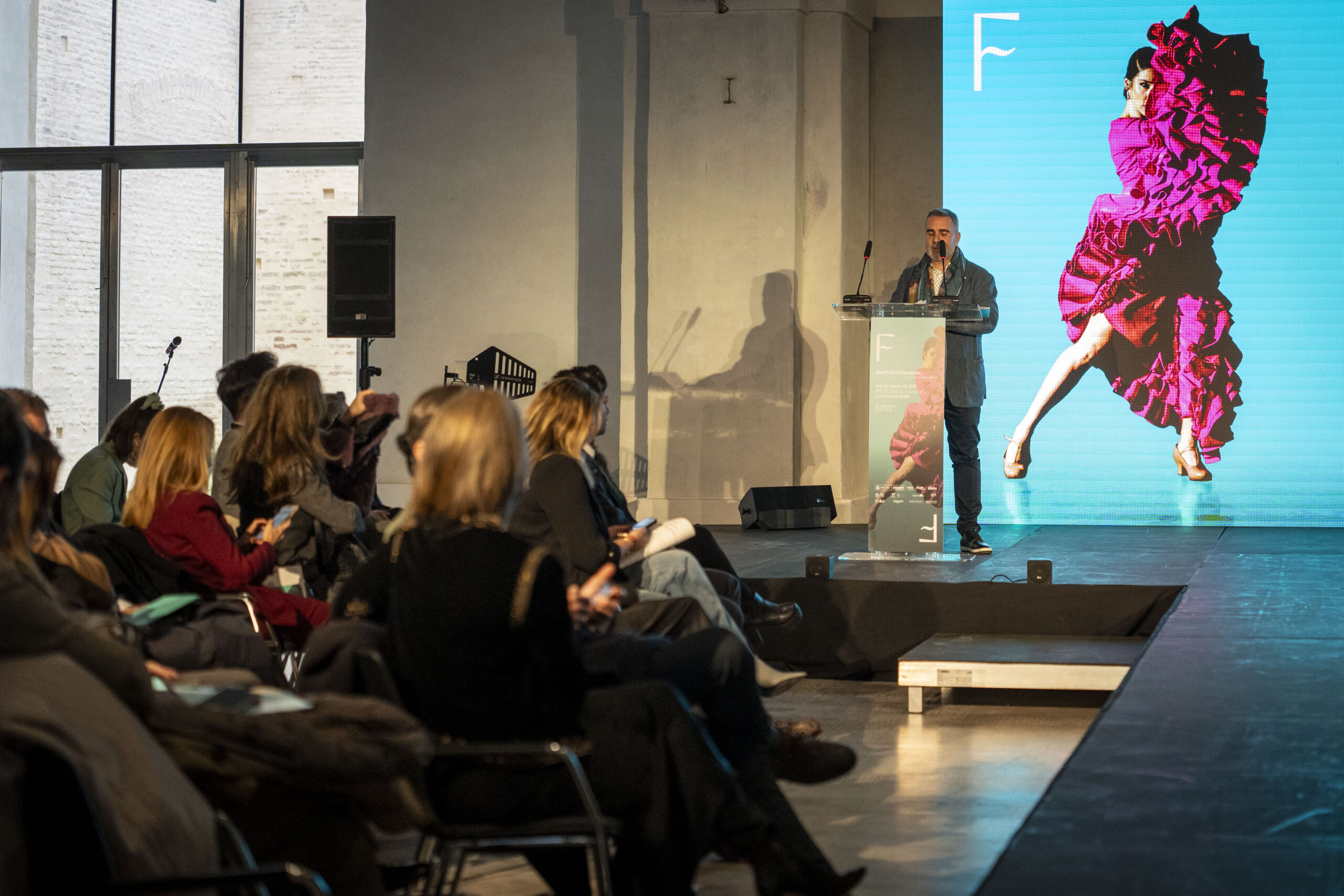
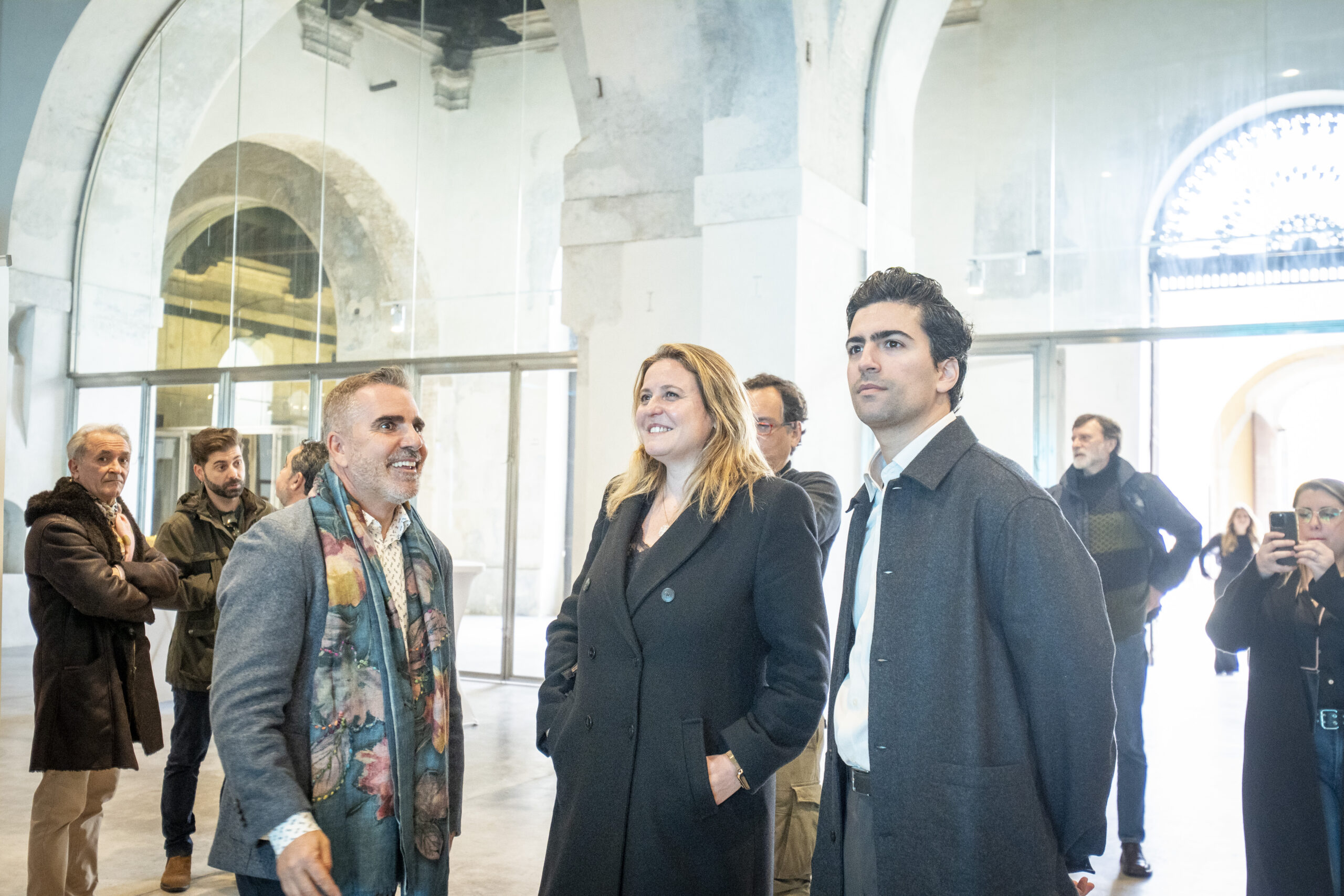
At the press conference, the director of the event, Miguel Marín, was accompanied by the mayor of Seville, José Luis Sanz, and the delegate for Tourism and Culture, Angie Moreno, as well as many of the companies and artists scheduled to perform, who gathered at the Royal Artillery Factory in Seville to detail the program for this new edition, which will feature leading exponents of this universal art form.
An edition that celebrates not only an anniversary, but also a very special love story between New York and flamenco
Miguel Marín, Flamenco Festival’s director.
In this regard, he mentioned that, in addition to the festival’s 25th anniversary, “we want to celebrate the pioneering artists who opened the doors to flamenco in New York almost a century and a half ago.”
During his speech, Marín recalled that as early as 1891, the dancer Carmencita performed at Madison Square Garden in front of 9,000 people and was portrayed by painters such as John Singer Sargent and William Merritt Chase, whose paintings now hang in the Metropolitan Museum of Art. He also pointed out that the first images of a woman in a film in the United States were precisely of Carmencita dancing what we might consider to be the flamenco of that era. In other words, “flamenco inaugurated motion picture cinema in the United States, and it did not enter through the back door, but through the front door of art, modernity, and fascination.”
If we are celebrating 25 years of the Flamenco Festival in New York today, it is because there were 140 years of history before that. A history of pioneers, both men and women, without whom we would not be here today
Festival’s director
For his part, the mayor pointed out that “Seville is not just a city that programs flamenco: it is the matrix, the origin, and the heartbeat that sets the rhythm of the world,” and he highlighted the history of the Flamenco Festival, which
for 25 years, it has not been an isolated event, but rather a natural extension of our identity, with a clear commitment to excellence and international outreach
José Luis Sanz Ruiz, Seville’s Mayor
He also defined this projection as “a true transatlantic bridge, a cultural dialogue that unites Seville with New York and demonstrates that flamenco is a universal language that needs no translation.”
In turn, the mayor stressed that Seville’s designation as guest city “is based on the legitimacy of its origins, because when flamenco goes out into the world, it comes from here,” and highlighted the role of the Seville Flamenco Biennial as “a great seal of quality for flamenco at the international level.”
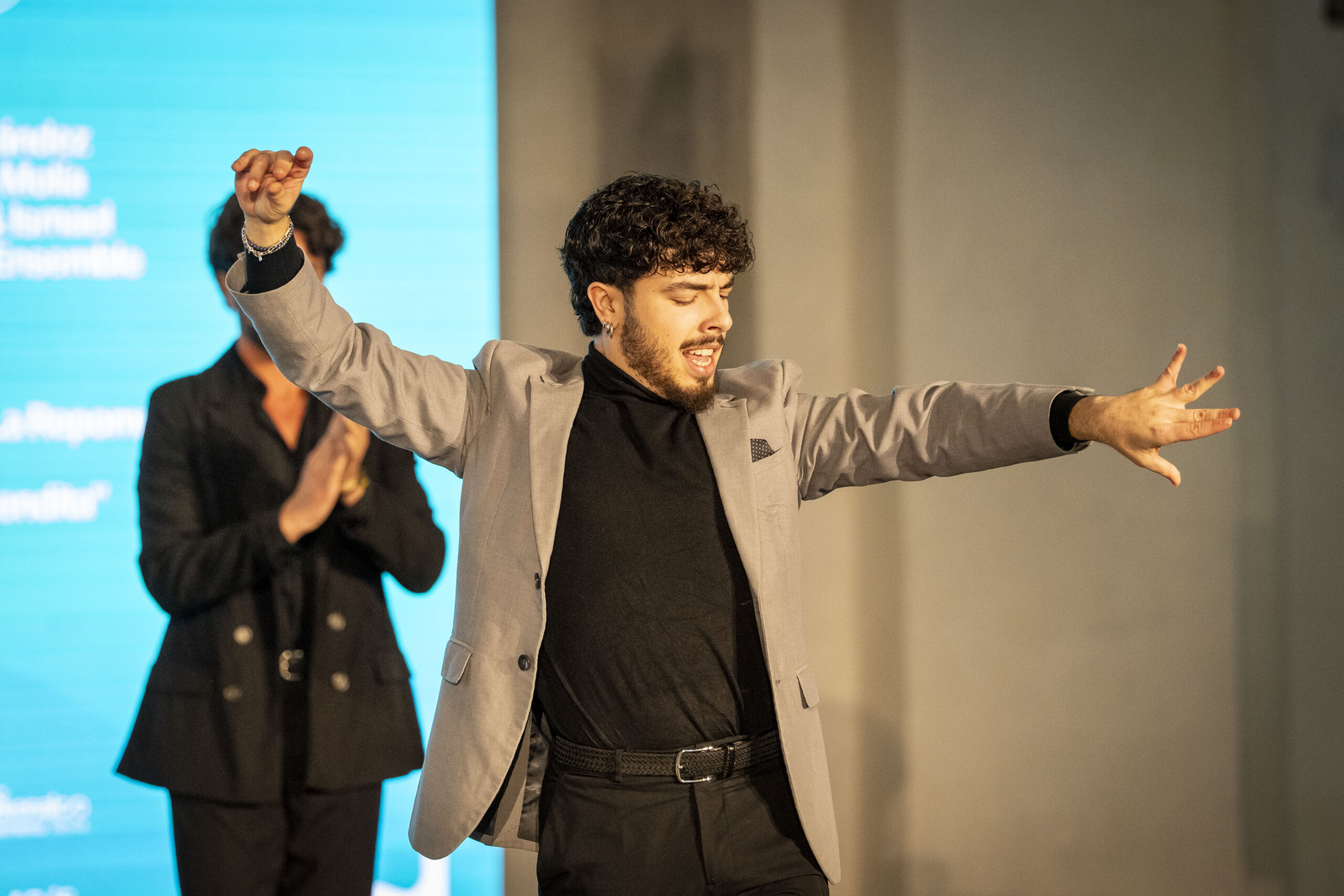
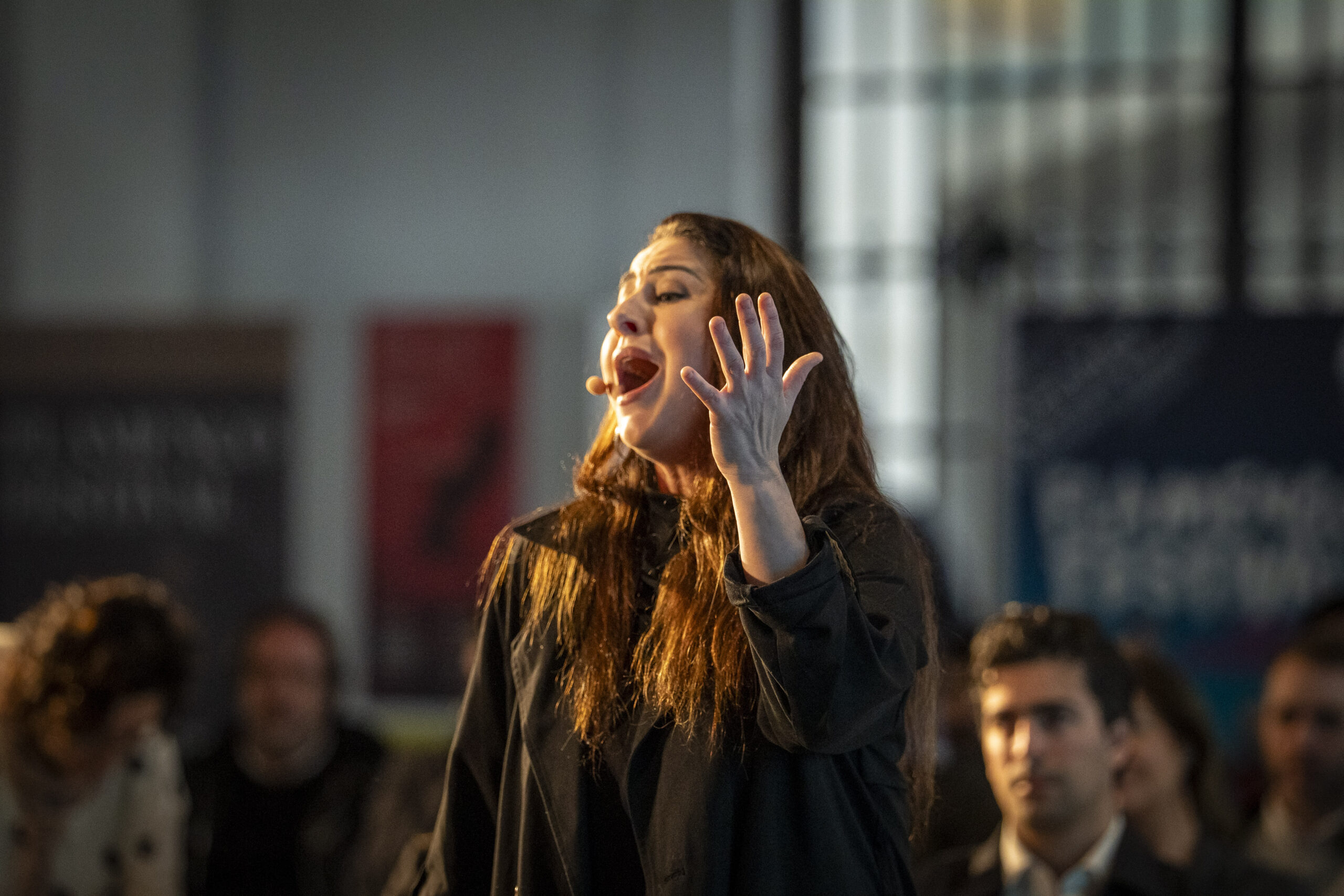
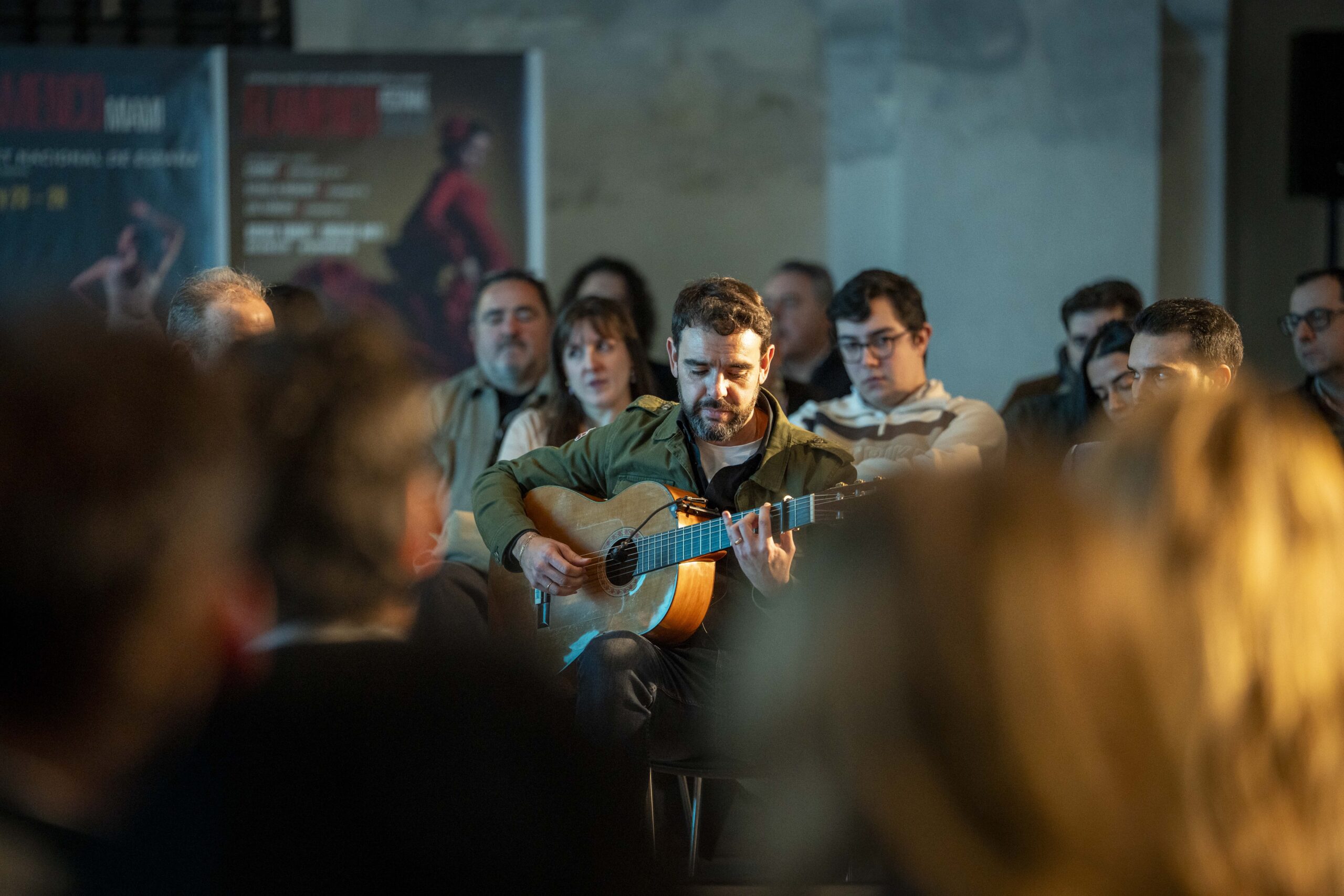
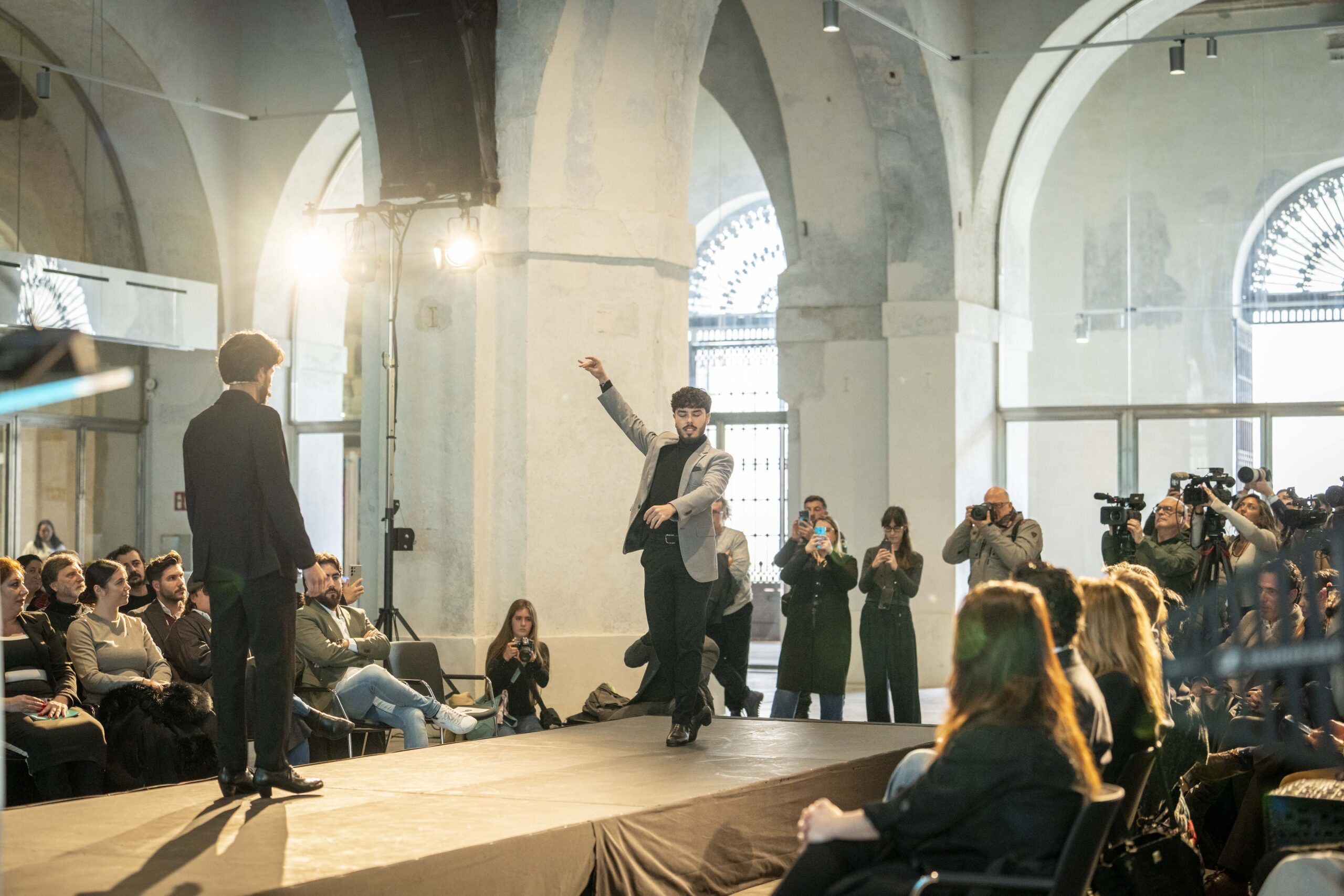
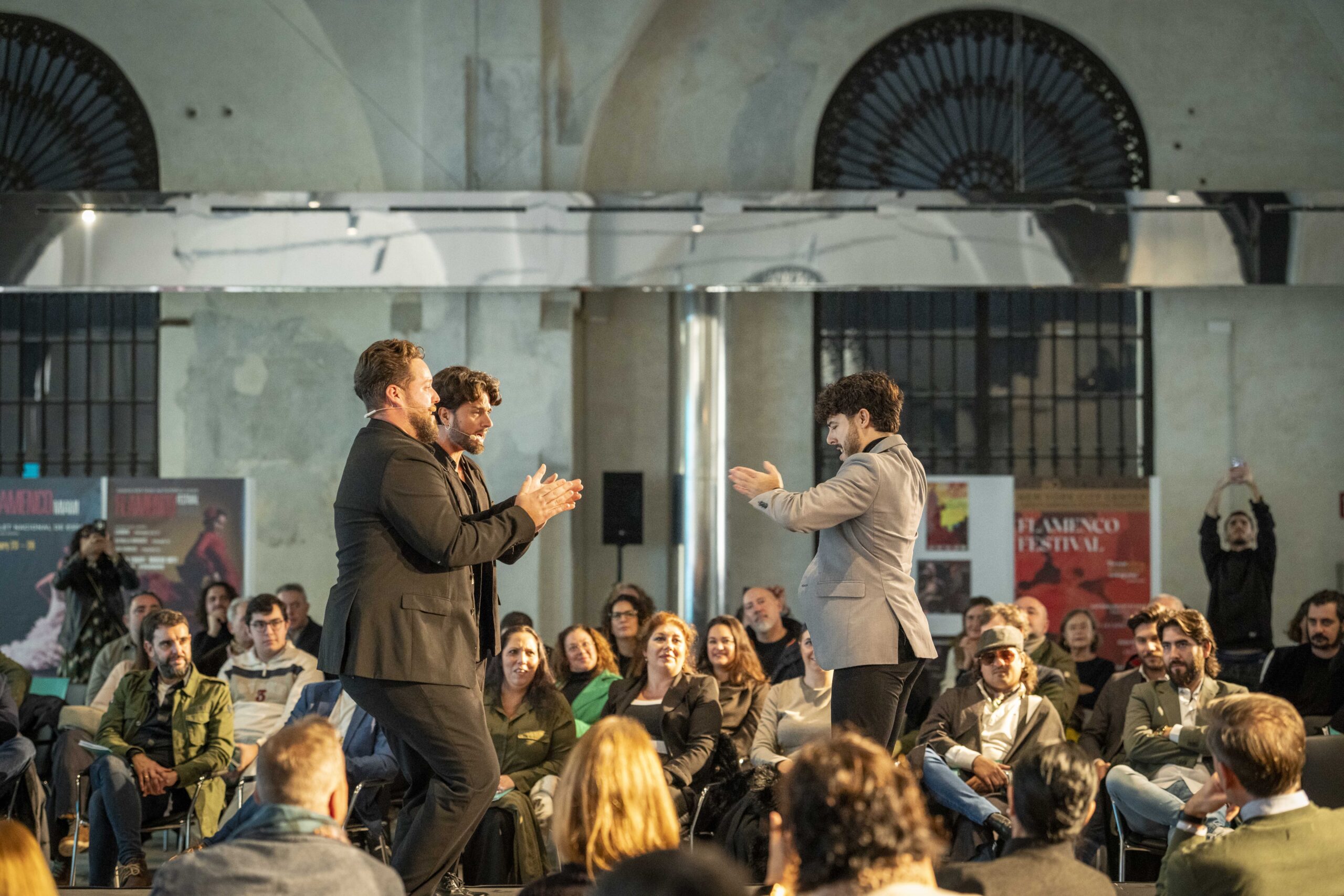
Figures such as Sara Baras, Eva Yerbabuena, Manuel Liñán, Olga Pericet, Andrés Marín, Rocío Márquez, Ángeles Toledano, Dani de Morón, Gerardo Nuñez, and Antonio Rey, among many others, will star in this new edition of the Flamenco Festival New York, a well-established event considered one of the country’s leading cultural events focusing on Spanish culture and flamenco art.
Sixteen companies will stage a total of 40 performances in 20 venues in New York, Miami, Tampa, Chicago, and Boston, with stages that are already familiar to the festival, such as the New York City Center, Jazz at Lincoln Center, Joe’s Pub, and Roulette, as well as many others, such as the Baryshnikov Arts Center, the Guggenheim Museum, the Metropolitan Museum of Art, and the National Library. An estimated audience of 29,000 people is expected to attend all of these events.